
Billing guide · Ontario
Auto insurance and WSIB paperwork, without pretending.
Every Ontario physiotherapy clinic bills auto insurers and WSIB differently from private patients — and most software quietly flattens that into one generic invoice flow. Here is how structured OCF forms, a carrier directory, and fail-closed routing actually handle it, including what does not file electronically yet.
- OCF forms, structured
- WSIB provider channels
- 50-carrier directory
- Routing that fails closed
- Every attempt evidenced
The honest starting point
Auto and work-injury billing is paperwork with deadlines.
Ontario's auto-insurance claims run on OCF forms submitted through HCAI; WSIB claims run through WSIB's own provider channels. Neither is a generic invoice. Each form has structured fields an adjuster expects, and a missed or mis-filed document costs the clinic the visit.
Software can do three things with that reality: flatten it into an invoice and hope, promise electronic filing it cannot deliver, or structure the paperwork, route each claim to the right channel, and show its evidence. The third is what this page describes — including the parts that are deliberately not electronic yet.
The principle throughout: routing fails closed. A claim the system cannot resolve to a channel is blocked from filing until a human resolves it, so a retry can never double-file.
OCF forms
Auto insurance: OCF forms as structured documents.
Treatment and assessment plans for motor-vehicle accident patients are OCF forms — OCF-18, OCF-21, OCF-23 — submitted through HCAI with the adjuster's expectations built into their fields. In The Clinic they are structured documents on the patient record, not PDFs retyped from memory.
- OCF forms captured as structured documents on the patient record
- HCAI as the submission channel for auto-insurance paperwork
- Plan versions a clinic can defend in an adjuster conversation

WSIB
WSIB: the provider channel, respected.
WSIB claims move through WSIB's own provider channels, with their own identifiers and form requirements. The platform treats that channel as first-class: claims route to it with the paperwork the channel expects, and the routing record shows what went where.
- WSIB handled through its own provider channels, not a generic invoice
- Funding source (OHIP, WSIB, MVA, private) inferred and auditable
- Routing decisions carry machine-readable reasons
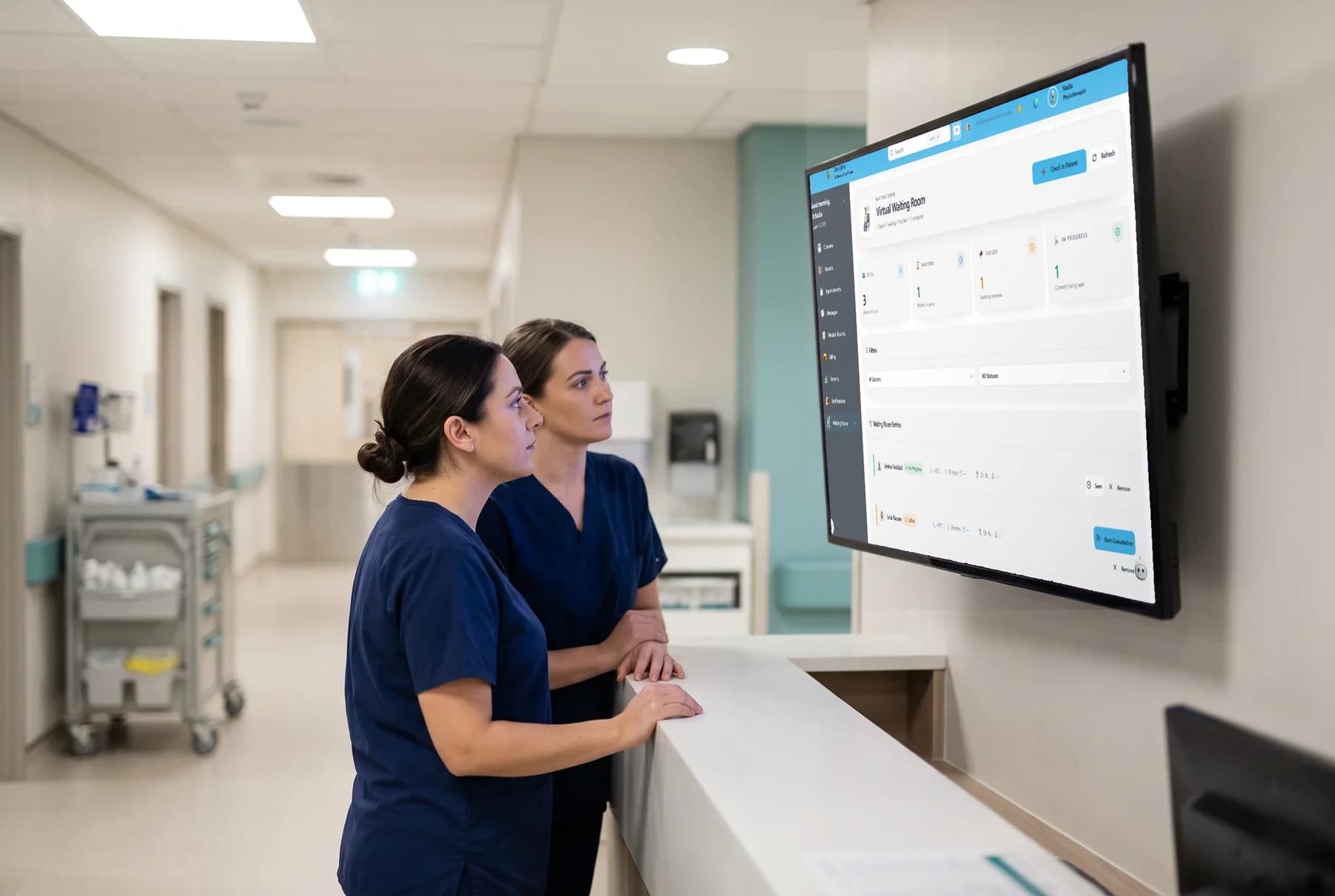
The carrier directory
Fifty carriers, seeded and clinic-owned.
Extended-health claims in Ontario mean dozens of insurers with different submission paths. The Clinic seeds a directory of 50 Canadian carriers — Sun Life, Manulife, Canada Life, MVA insurers and more — each with its participation record: electronic, carrier portal with URL, or manual only.
- 50 Canadian carriers seeded per clinic, with per-rail participation records
- Electronic (TELUS eClaims), carrier portal, or manual — all first-class outcomes
- Clinic-owned edits are never clobbered by catalog refreshes
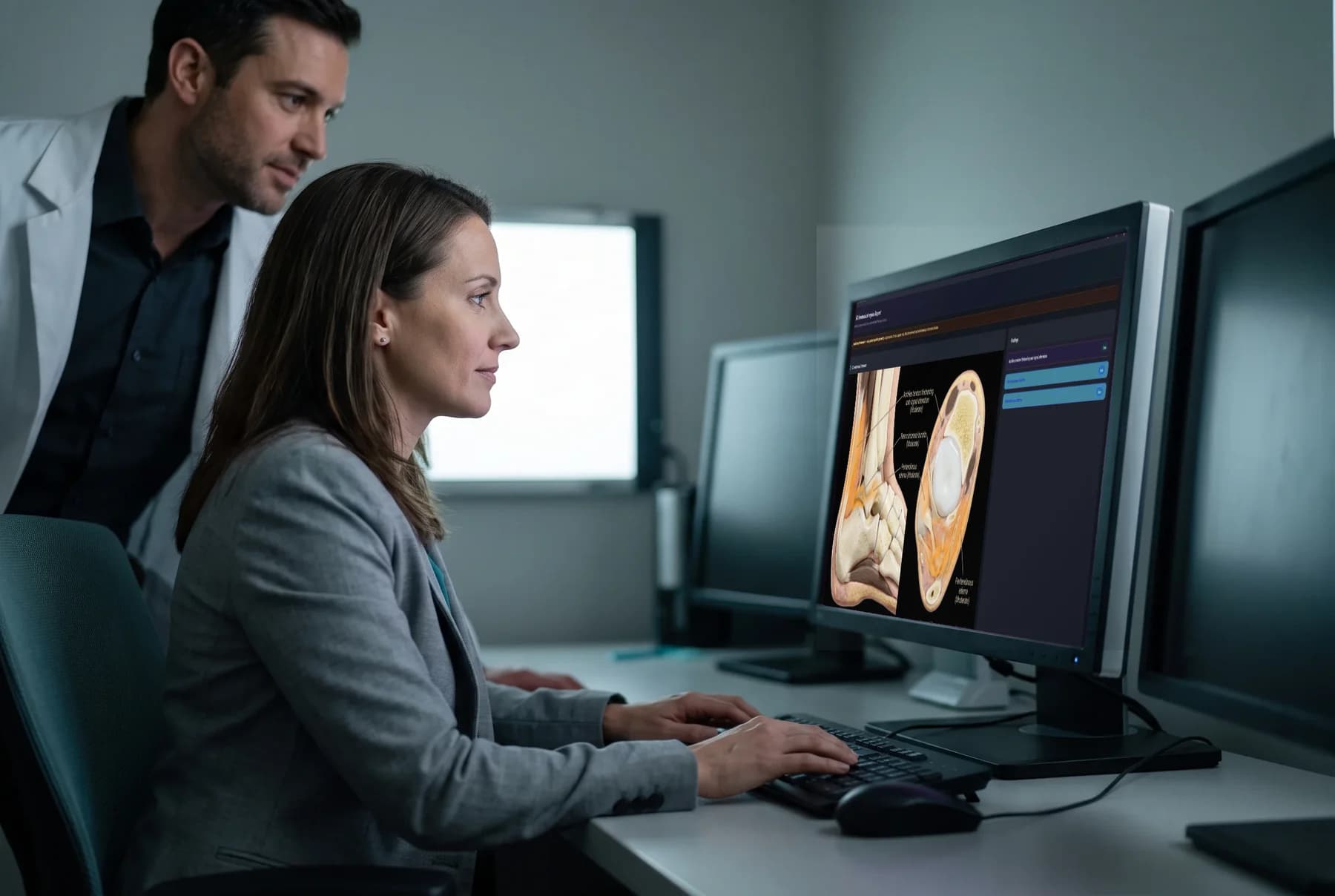
The evidence
Every attempt leaves a record.
Every submission reserves an append-only attempt row: request hash, request and response artifacts, rail correlation ids. An unknown-delivery attempt blocks resubmission until a human resolves it — a retry can never double-file a claim.
- Append-only attempt rows with request hashes and rail correlation ids
- Unknown-delivery attempts block resubmission until a human resolves them
- Sandbox transmissions are auto-resolved and never look like filings

At a glance
- 50
- Carriers seeded
- 3
- Routing outcomes
- 0
- Blind filings
- 1
- Evidence row per attempt
How it works
From visit to filed claim, with the truth in the middle.
The same four steps for every payer — what changes is the channel the claim routes to, and the routing says so.
- 01
Capture
The visit produces structured documentation — OCF forms for MVA patients, WSIB paperwork, or a private claim — on the same patient record as the chart.
- 02
Route
Each claim resolves carrier, then funding source, then rail: electronic, carrier portal, or manual. Routing fails closed — an unresolved claim cannot be filed blind.
- 03
Evidence
Every submission reserves an append-only attempt row: request hash, artifacts, correlation ids. Unknown delivery blocks resubmission until a human resolves it.
- 04
Reconcile
Remittances and responses land against the attempt they answer, so denials and payments reconcile against what was actually sent, per payer.
What does not file electronically yet
The part most vendors skip.
Stating gaps plainly is the point of this page. Here is the current status of every electronic rail, as of the date on this page.
TELUS eClaims — built, deliberately gated
The electronic rail for extended health is built and switched off until the certified vendor agreement and integration kit are in place. Structured capture and the carrier directory work today; the electronic transmission turns on with the agreement.
OHIP — built to spec, gated on conformance
OHIP is built to the ministry's MCEDT specification and gated on conformance testing we cannot shorten. The carousel above is the honest status, not a roadmap.
HCAI — structured forms and portal workflow
Auto-insurance paperwork is captured as structured OCF documents and worked through the HCAI channel; direct electronic HCAI filing from the platform is not part of the current release.
WSIB — provider channels, first-class
WSIB paperwork routes through WSIB's own provider channels with the routing recorded; direct electronic WSIB filing from the platform is not part of the current release.
Dates — this page is dated
Rail status changes as certifications land. This page states its status as of its publish date and is updated when a rail turns on — ask in a demo for the live status of any row.
Questions
The billing questions, answered plainly.
Does The Clinic file HCAI claims electronically?
No — and the page says so. Auto-insurance paperwork is captured as structured OCF forms and worked through the HCAI channel with a full routing and evidence record. Direct electronic HCAI filing is not in the current release; the status section above is kept dated.
What about WSIB?
WSIB paperwork routes through WSIB's own provider channels as a first-class outcome, with the routing recorded and auditable. Direct electronic WSIB filing from the platform is not in the current release.
Can it submit extended-health claims electronically?
The TELUS eClaims rail is built and deliberately gated until the certified vendor agreement and integration kit are in place. Today those claims route through the carrier directory — portal or manual — with full routing records.
What happens when a claim cannot be routed?
Routing fails closed: the claim is blocked from filing until a human resolves it. An unknown-delivery attempt also blocks resubmission, so a retry can never double-file.
How is this priced?
Billing rails ship inside the platform — no separate billing add-on. Packages are quoted around your specialties and locations, same day.
Keep reading
The Ontario picture, in full.
- Choosing physiotherapy software in Ontario
The five questions that separate vendors, with our own answers including the gaps.
- Physiotherapy in Ontario
The four payers, the assessment, the home program, and every claim resolved to a payer.
- OHIP billing
Claim submission and remittance parsing on the OHIP rail.

Ready to try The Clinic
See it run your clinic in 30 minutes.
Book a personalized demo. We'll use your clinic's real workflows — not a generic walkthrough.
No credit card. No slides. 30 minutes.